Source Sports Headband for Running, Gym, and Yoga
Find 30 verified options for sports headband including silk scrunchies and adjustable nylon styles. Compare features like sweat absorption, customization, and materials from Jiangsu, China suppliers.
Key considerations
Products List

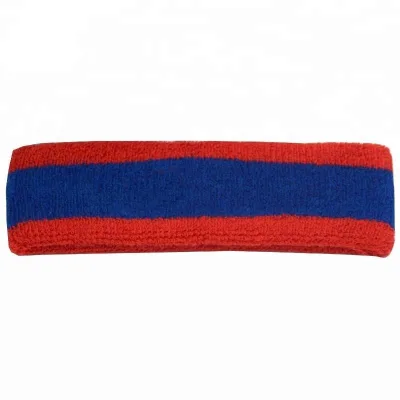




Comprehensive Sourcing Guide
Strategic Sourcing Guide for Sports Headbands
Understanding Material Composition and Performance Characteristics
When sourcing sports headbands, the primary technical differentiator lies in the material composition, which dictates moisture management, durability, and comfort during physical activity. The supply market presents a distinct divergence between natural fiber options and synthetic performance fabrics. On one end of the spectrum, products are constructed from 100% silk, specifically utilizing 6A grade raw silk in a reeled roll shape. These items are characterized by a lightweight profile, often weighing approximately 30g per unit, and are frequently styled with embroidery. While these silk-based headbands offer a premium aesthetic and soft touch, their application is often broader, extending to bedding or general daily wear rather than high-intensity athletic performance.
Conversely, the majority of dedicated sports headbands are engineered from synthetic fibers designed for functionality. The observed market data indicates a strong prevalence of nylon and polyester materials. These fabrics are selected for their specific mechanical properties, including high tensile strength and resistance to deformation after repeated washing. A critical attribute for sports applications is the "Sweat-Absorbing" capability, which is a standard feature claim for polyester and nylon variants. These materials allow for the creation of headbands that are both durable and comfortable, essential for activities such as running, yoga, and gym workouts. The weight of these synthetic units is typically minimal, with some specifications noting a single gross weight of 0.028 kg, ensuring they do not add unnecessary burden during movement.
The structural design also varies significantly based on the intended use. While some products are fixed in size, others are engineered to be adjustable, a feature that enhances fit across different head sizes and hair types. The "Unisex" classification is common, indicating that the sizing and design are intended to accommodate a broad demographic of adults. Color options are highly customizable, with standard palettes including black, red, blue, gold, and other customized shades to match team uniforms or personal preferences. The ability to customize color and apply logos is a standard service offered by suppliers, allowing brands to create cohesive visual identities for their merchandise.
Technical Specifications and Dimensional Standards
Precision in technical specifications is paramount for ensuring that the sourced headbands meet the functional requirements of the end-user. The market data reveals specific dimensional standards that buyers must verify against their product requirements. For instance, standard dimensions for certain sports headbands are observed in the range of 245.5 cm to 24.55 cm. These measurements are critical for ensuring adequate coverage of the forehead and sufficient compression to keep hair and sweat out of the eyes without causing discomfort or restricting blood flow.
Packaging specifications also play a vital role in the logistics and presentation of the product. Single package sizes are often recorded as 5X20X1.5 cm, reflecting a compact profile that optimizes shipping volume and reduces freight costs. The packaging method itself varies; some suppliers utilize simple OPP bags, while others may offer zipper bags or custom packaging solutions. The standard packing configuration often involves a quantity of 20 units per 10 cm, though this can be customized based on buyer requirements. It is essential for buyers to confirm the "Single package size" and "Single gross weight" to accurately calculate shipping costs and warehouse storage needs.
Furthermore, the model numbers and standard identifiers provide a baseline for product consistency. Specific model numbers such as "gy-56" or "HBS-5" are used to distinguish between different product lines, which may vary in material, width, or elasticity. Buyers should request detailed specification sheets that align with these model numbers to ensure that the physical attributes of the received goods match the ordered samples. The "Standard" field often references specific measurements, such as 3/4 cm or 24*5.5 cm, which serve as the quality control benchmarks for the manufacturing process. Any deviation from these stated standards should be flagged during the inspection phase.
Cost Drivers and Pricing Dynamics
The pricing structure for sports headbands is influenced by a complex interplay of material costs, customization levels, and order volume. The observed price range in the market spans from $0.20 to $7.50 USD, a wide variance that reflects the diversity in product quality and complexity. The lower end of this spectrum typically corresponds to basic polyester or nylon headbands with minimal customization, standard colors, and simple packaging. These items are often produced at high volumes to achieve economies of scale, resulting in lower unit costs.
At the higher end of the price range, costs are driven by the use of premium materials such as 6A grade raw silk, intricate embroidery, and advanced customization features. The inclusion of custom logos, specific color matching, and unique packaging solutions adds significant value but also increases the unit price. Additionally, the "Customization" attribute is a major cost driver; products that allow for tailored branding, specific dimensions, or specialized material blends will command a premium over off-the-shelf inventory.
Order volume is another critical factor in determining the final cost. The Minimum Order Quantity (MOQ) varies widely, ranging from as low as 10 pieces to as high as 50,000 pieces. Buyers with smaller order volumes may face higher per-unit costs due to the setup costs associated with customization and production runs. Conversely, large-volume orders can leverage bulk pricing to reduce the unit cost significantly. The "Selling Units" are typically listed as single items, but the actual transaction often involves bulk purchasing. Buyers must balance their inventory needs with the MOQ constraints to optimize their capital expenditure. It is also important to note that lead times, which can range from 2 to 5 days for some suppliers, may influence pricing if expedited shipping is required.
Compliance, Certification, and Quality Verification
Ensuring compliance and verifying quality are essential steps in the procurement process, particularly for products that come into direct contact with the skin. While the supplied data does not explicitly confirm certification status for all listed products, buyers should be aware of the importance of safety standards. The "OEKO-TEX" standard is a recognized benchmark in the textile industry for ensuring that fabrics are free from harmful substances. Although this is noted as a background standard in the provided context, it remains a critical verification point for buyers targeting health-conscious markets or premium segments.
Quality control should focus on the integrity of the material and the durability of the construction. For synthetic headbands, the "Durable" feature is a key performance indicator. Buyers should verify that the stitching is secure, the elasticity is consistent, and the fabric does not pill or degrade after repeated washing. The "Sweat-Absorbing" claim must be validated through practical testing or supplier-provided test results to ensure the product performs as advertised during intense physical activity.
For silk-based products, the focus shifts to the grade of the raw material. The "6A" grade designation implies a high quality of raw silk, but buyers should request documentation or samples to confirm this classification. The "Embroidered" style requires careful inspection to ensure that the stitching does not cause irritation or compromise the structural integrity of the band. Additionally, the "Customized Logo" application must be evaluated for adhesion and longevity, ensuring that the print or embroidery does not fade or peel over time.
Supplier Evaluation and Operational Capabilities
Selecting the right supplier involves a comprehensive evaluation of their operational capabilities, including production capacity, lead times, and after-sales support. The market data indicates that suppliers are located primarily in China, with specific origins noted in Jiangsu. This regional concentration suggests a mature supply chain with established expertise in textile manufacturing. Buyers should verify the supplier's "Capacity" to ensure they can meet demand fluctuations, especially for large orders.
Lead time is a critical operational metric. The observed delivery time of 2-5 days suggests that some suppliers offer rapid turnaround capabilities, which is beneficial for urgent orders or small-batch testing. However, buyers must confirm if these lead times apply to customized orders or standard stock items, as customization often extends the production timeline. The availability of samples is another positive indicator of supplier flexibility, allowing buyers to evaluate product quality before committing to a large order.
After-sales support is equally important for long-term procurement relationships. Suppliers that offer "Support After-Sale Processing" demonstrate a commitment to customer satisfaction and problem resolution. This includes handling defects, managing returns, and addressing any issues related to product performance. The ability to provide "Customized Logo" services and "Accept Logo Print" indicates a level of service flexibility that is crucial for branding initiatives. Buyers should also assess the supplier's shipping capabilities, noting that options like TNT, FedEx, DHL, EMS, and UPS are available, which ensures reliable delivery to global markets.
Long-Term Procurement and Application Strategy
The long-term success of a sports headband procurement strategy depends on aligning the product selection with specific application requirements and market trends. The "Usage" categories observed in the market include sports, running, yoga, gym workouts, and daily life. This versatility allows buyers to target multiple market segments with a single product line, provided the specifications meet the diverse needs of each application. For instance, headbands designed for high-intensity running require superior sweat absorption and secure fit, while those for daily wear may prioritize aesthetic appeal and softness.
Sustainability and material innovation are becoming increasingly important in the procurement landscape. While the current data highlights both natural and synthetic materials, buyers should consider the environmental impact of their choices. Synthetic materials like polyester and nylon are durable but may pose recycling challenges. Natural materials like silk are biodegradable but may require more care in production. Evaluating the lifecycle of the product can help buyers make informed decisions that align with corporate sustainability goals.
Finally, the ability to adapt to changing market demands is crucial. The "Customization" attribute allows buyers to respond quickly to trends in color, style, and branding. By maintaining a flexible relationship with suppliers who can accommodate small changes in design or material, buyers can stay competitive in a dynamic market. Regular communication with suppliers regarding new material developments, production techniques, and quality standards will ensure that the procurement strategy remains robust and responsive to evolving consumer needs.
FAQs
What materials are used for sports headbands?
Sports headbands are commonly made from synthetic fibers like nylon and polyester, which offer durability and sweat absorption. Some premium options utilize 100% raw silk, though these are often styled for bedding or daily wear rather than high-intensity athletic performance.
Can I customize the logo and color on headbands?
Yes, customization is available for both logos and colors. Suppliers typically accept logo prints and offer customized color options including black, red, blue, and gold to match specific brand identities or team uniforms.
What are the standard dimensions for these headbands?
Standard dimensions for sports headbands typically range from 24 by 5.5 centimeters to 24.5 by 5 centimeters. These measurements ensure adequate forehead coverage and secure fit without restricting blood flow during physical activity.
How much is the minimum order quantity for these items?
The minimum order quantity varies significantly, ranging from 10 pieces up to 50,000 pieces depending on the supplier and customization level. Buyers should verify specific MOQ constraints as they directly impact unit pricing and production feasibility.
What is the typical delivery time for orders?
Some suppliers offer rapid delivery times ranging from 2 to 5 days for standard or customized orders. However, actual lead times may vary based on order volume, specific customization requirements, and current production capacity at the factory.
Are these headbands suitable for unisex use?
Yes, most sports headbands are designed as unisex products suitable for adults. They feature adjustable fits and universal sizing to accommodate different head shapes and hair types effectively during various activities.
What packaging options are available for these products?
Packaging options include simple OPP bags, zipper bags, or custom packaging solutions. Single package sizes are often compact, such as 5 by 20 by 1.5 centimeters, to optimize shipping volume and reduce freight costs.